
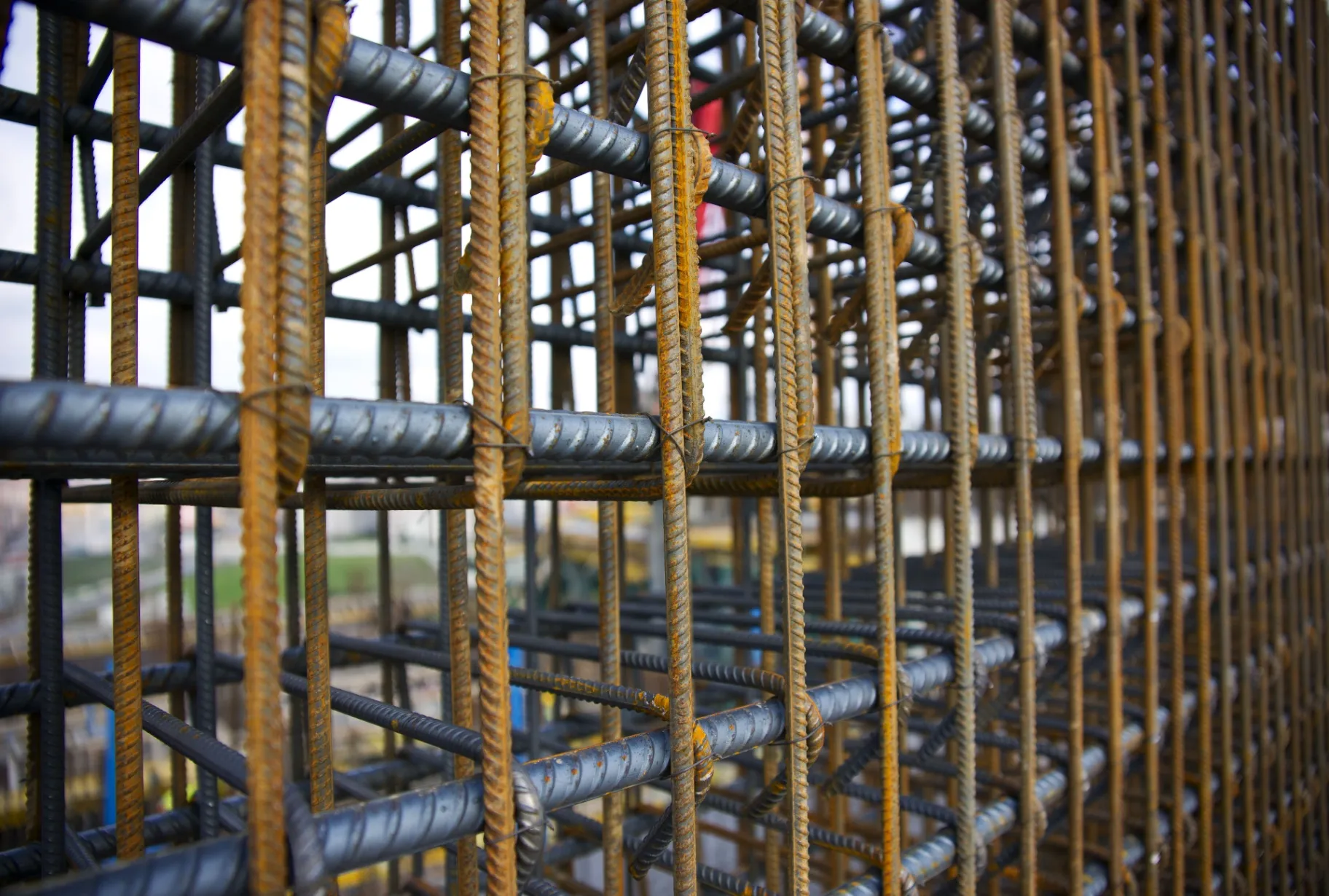
Sustainable Building Materials for Modern Homes
As the world becomes increasingly aware of environmental issues, the construction industry is pivoting towards more sustainable practices. One of the most significant changes is the adoption of sustainable building materials. This blog post will explore the benefits of these materials, various types available, and how they can be integrated into modern homes.
What Are Sustainable Building Materials?
Sustainable building materials are those that have a low environmental impact throughout their life cycle. This includes sourcing, manufacturing, transportation, usage, and disposal. These materials not only reduce waste but also conserve natural resources and energy.
Benefits of Using Sustainable Materials
- Reduces environmental footprint
- Improves indoor air quality
- Enhances energy efficiency
- Promotes sustainable resource management
- Can lead to long-term cost savings
Types of Sustainable Building Materials
There are various types of sustainable building materials available for modern construction. Below are some of the most popular options:
1. Bamboo
Bamboo is a fast-growing grass that is incredibly strong and flexible. It can be used for flooring, cabinetry, and even structural elements.
2. Recycled Steel
Using recycled steel reduces the need for new metal production, which is energy-intensive. It is often used in framing and roofing.
3. Reclaimed Wood
Reclaimed wood is sourced from old buildings and structures, giving it a unique character while reducing deforestation.
4. Straw Bales
Straw bales are a renewable resource and provide excellent insulation. They can be used in wall construction for energy-efficient homes.
5. Natural Insulation Materials
- Cotton
- Hemp
- Sheep's wool
- Cellulose
These materials are not only biodegradable but also offer effective insulation properties.
How to Choose Sustainable Materials
Selecting sustainable building materials involves considering various factors. Here are some tips to guide your choice:
- Evaluate the source and manufacturing process
- Look for third-party certifications (e.g., LEED, FSC)
- Assess the material's life cycle impact
- Consider the local availability to reduce transportation emissions
- Choose materials that require minimal maintenance
Integrating Sustainable Materials in Your Home
Incorporating sustainable materials into your home can be done in various ways. Here are some suggestions:
- Opt for sustainable designs when remodeling
- Use eco-friendly materials for flooring and cabinetry
- Consider alternative insulation options
- Integrate energy-efficient windows and doors
- Utilize sustainable landscaping practices
Conclusion
Sustainable building materials are not just a trend; they represent a necessary shift towards greener construction practices. By choosing these materials, homeowners can contribute to environmental conservation while also enjoying the benefits of energy efficiency and improved indoor air quality. As the demand for sustainable construction rises, it is essential to stay informed about the options available. Make the choice today for a healthier planet and a more sustainable future.